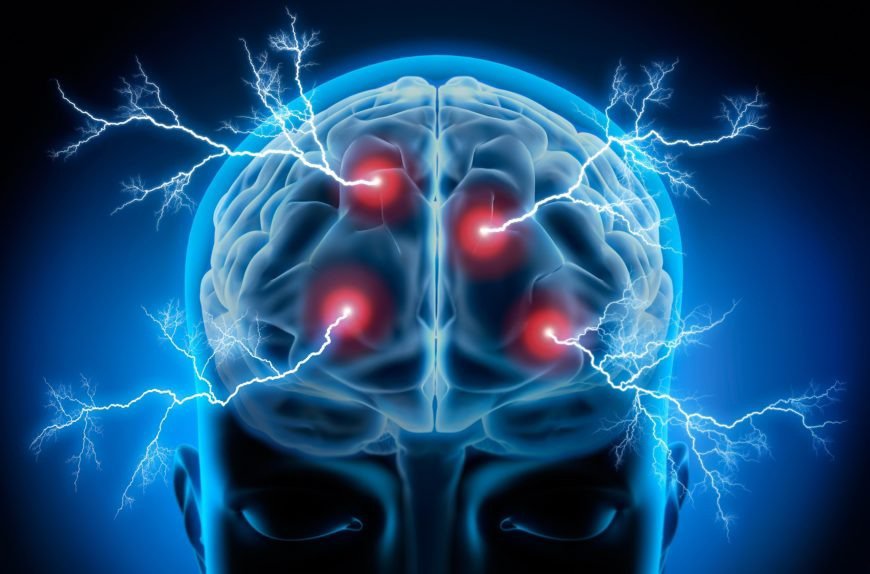
There is a belief that Epilepsy is brought about by evil spirits or supernatural powers, but the fact is that Epilepsy is a neurological condition. It is not caused due to some external forces. Epilepsy is a central nervous system (neurological) disorder in which brain activity becomes abnormal, causing seizures or periods of unusual behavior, sensations, and sometimes loss of awareness. Anyone can develop epilepsy. Epilepsy affects both males and females of all races, ethnic backgrounds and ages. Epilepsy is a chronic disorder that causes unprovoked, recurrent seizures. A seizure is a sudden rush of electrical activity in the brain. There are two main types of seizures. Generalized seizures affect the whole brain. Focal, or partial seizures, affect just one part of the brain. CAUSES Epilepsy and seizures result from abnormal circuit activity in the brain. Any event ranging from faulty wiring during brain development, brain inflammation, physical injury or infection can lead to seizure and epilepsy. However, according to recent estimates, in up to 50% of patients diagnosed with epilepsy, the cause is unknown (idiopathic). RISK FACTORS
Premature birth or low birth weight
Trauma during birth (such as lack of oxygen)
Seizures in the first month of life
Abnormal brain structures at birth
Bleeding into the brain
Abnormal blood vessels in the brain
Serious brain injury or lack of oxygen to the brain
Brain tumors
Infections of the brain such as meningitis or encephalitis
Stroke resulting from blockage of arteries
Cerebral palsy
Mental disabilities
Seizures occurring within days after head injury
Family history of epilepsy or fever-related seizures
Alzheimer’s disease (late in the illness)
Lengthy fever-related (febrile) seizures
Alcohol or drug abuse
SYMPTOMS
Because epilepsy is caused by abnormal activity in the brain, seizures can affect any process the brain coordinates. Seizure signs and symptoms may include:
Temporary confusion
A staring spell
Uncontrollable jerking movements of the arms and legs
Loss of consciousness or awareness
Psychic symptoms such as fear, anxiety or deja vu
TREATMENT
Medication
Surgery
Neurostimulation
Dietary changes
COMPLICATIONS Complications may include:
Difficulty learning
Breathing in food or saliva into the lungs during a seizure, which can cause aspiration pneumonia
Injury from falls, bumps, self-inflicted bites, driving or operating machinery during a seizure
Permanent brain damage (stroke or other damage)
Side effects of medicines
PREVENTION There is no known way to prevent epilepsy. Proper diet and sleep, and staying away from alcohol and illegal drugs may decrease the likelihood of triggering seizures in people with epilepsy. Reduce the risk for head injury by wearing a helmet during risky activities. This can lessen the likelihood of a brain injury that leads to seizures and epilepsy.
Bergey GK (June 2013). “Neurostimulation in the treatment of epilepsy”. Experimental Neurology. 244: 8795.
Martin-McGill, Kirsty J.; Jackson, Cerian F.; Bresnahan, Rebecca; Levy, Robert G.; Cooper, Paul N. (7 November 2018). “Ketogenic diets for drug-resistant epilepsy”. The Cochrane Database of Systematic Reviews. 11: CD001903.
 HEALTHY LIVES