Categories
Uncategorized

ACNE

Overview
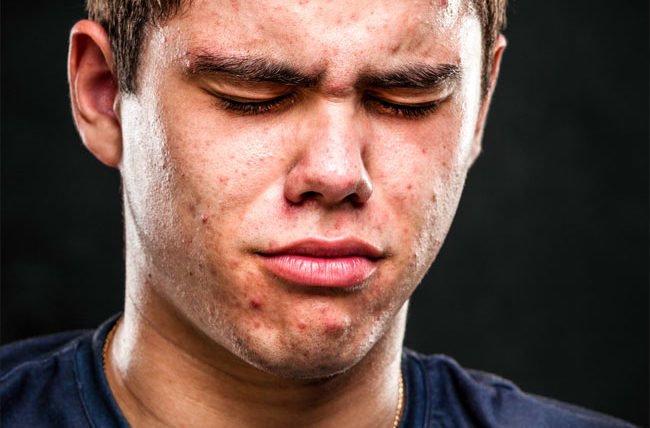
Acne is a long-term skin disease that occurs when dead skin cells and oil from the skin clog hair follicles.
Although acne isn’t a life-threatening condition, it can be painful, particularly when it’s severe. It can also cause emotional distress.
Acne is a common skin condition that affects most people at some point. It causes spots, oily skin and sometimes skin that’s hot or painful to touch.

DefinitionAcne is a common skin condition where the pores of your skin become blocked by hair, sebum (an oily substance), bacteria and dead skin cells.

What Causes Acne?
Acne is triggered by the following different factors.

  • Hormones
  • StressCertain
  • medications
  • Poor hygiene
  • Wrong skin care products
  • Sun
  • Unhealthy Diet
  • Genetics

Forms of acne
Acne can take several forms. They include:

  • Blackheads: Open bumps on the skin that fill with excess oil and dead skin. They look as if dirt has deposited in the bump, but the dark spots are actually caused by an irregular light reflection off the clogged follicle.
  • Whiteheads: Bumps that remain closed by oil and dead skin.
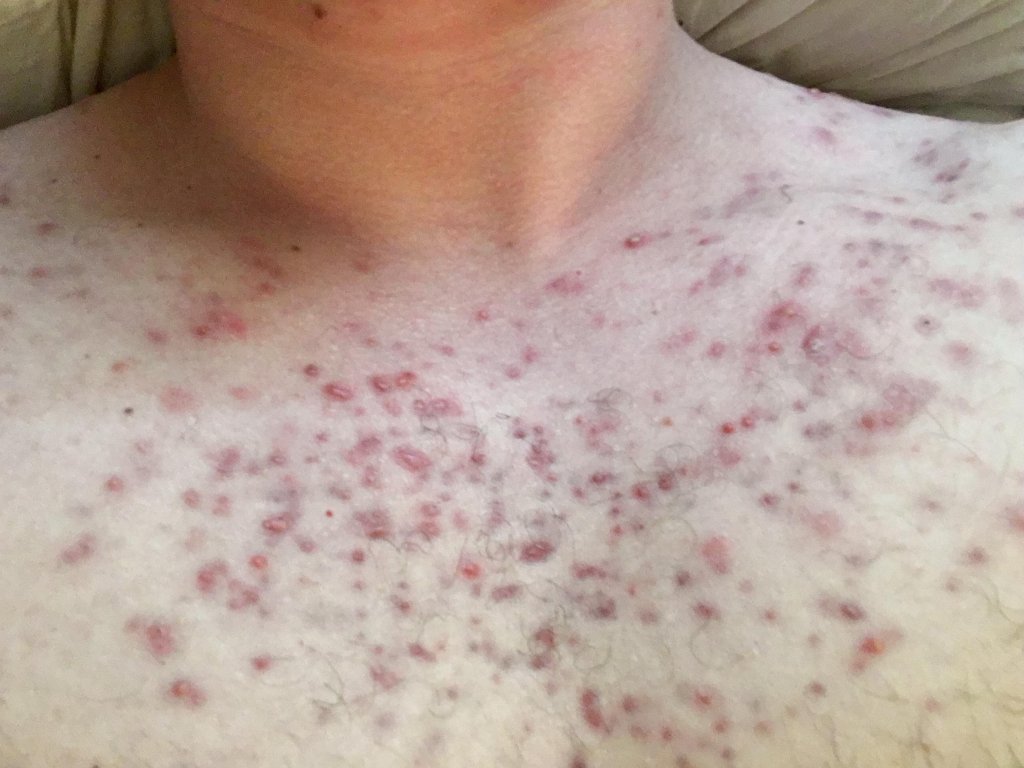
  • Papules: Small red or pink bumps that become inflamed.
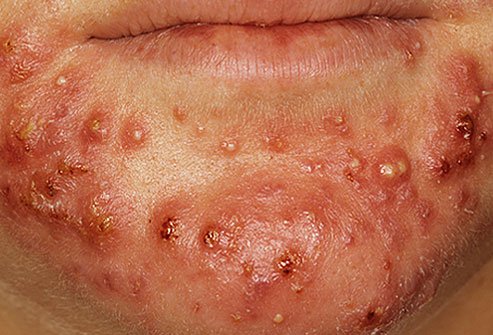
  • Pustules: Pimples containing pus. They look like whiteheads surrounded by red rings. They can cause scarring if picked or scratched.
  • Fungal acne (pityrosporum folliculitis): This type occurs when an excess of yeast develops in the hair follicles. They can become itchy and inflamed.
  • Nodules: Solid pimples that are deep in your skin. They are large and painful.
  • Cysts: Pus-filled pimples. These can cause scars.
  • All of these forms of acne can affect your self-esteem. It’s best to seek help from your healthcare provider early so they can help determine the best treatment option(s) for you.

    What are common Symptoms of acne?
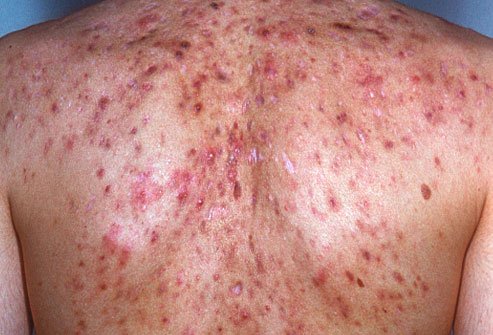
    Acne commonly appears on the face and shoulders. It may also occur on the trunk, arms, legs, and buttocks. Skin changes include:

  • Crusting of skin bumps
  • Cysts
  • Papules (small red bumps)
  • Pustules (small red bumps containing white or yellow pus)
  • Redness around the skin eruptions
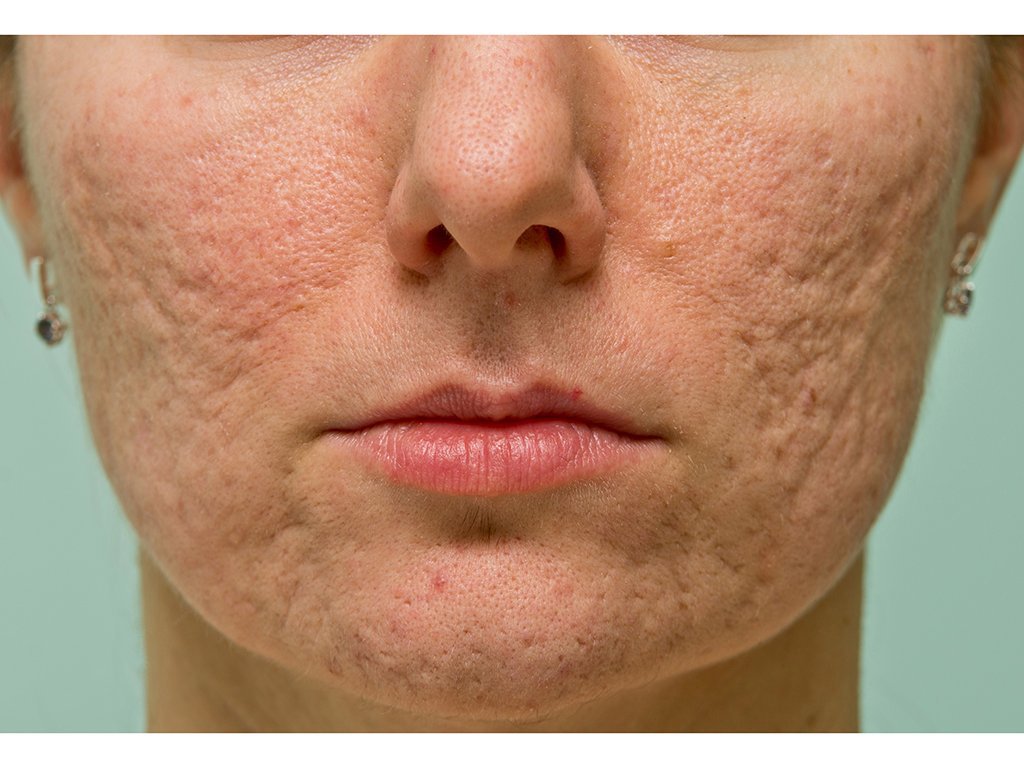
  • Scarring of the skin
  • Whiteheads
  • Blackheads
  • How to Manage Acne
    SELF-CARE
    Steps you can take to help your acne: 

  • Clean your skin gently with a mild, nondrying soap.
  • Look for water-based or “noncomedogenic” formulas for cosmetics and skin creams.
  • Remove all dirt or make-up. Wash once or twice a day, including after exercising.
  • Avoid scrubbing or repeated skin washing.
  • Shampoo your hair daily, especially if it is oily.
  • Comb or pull your hair back to keep the hair out of your face.
  • What NOT to do:
  • Try not to aggressively squeeze, scratch, pick, or rub the pimples. This can lead to skin infections, slower healing, and scarring.
  • Avoid wearing tight headbands, baseball caps, and other hats.
  • Avoid touching your face with your hands or fingers.
  • Avoid greasy cosmetics or creams.
  • DO NOT leave make-up on overnight.
  • Ask your doctor about prescription-strength medications. A dermatologist can help you.

    Complications of Acne
    Skin changes
    Presence of scar

    Acne scars

    References
    Aslam I, Fleischer A, Feldman S (March 2015). “Emerging drugs for the treatment of acne”. Expert Opinion on Emerging Drugs (Review). 20 (1): 91–101.
    https://www.ncbi.nlm.nih.gov/books/NBK459173/
    https://www.niams.nih.gov/health-topics/acne
    https://www.ncbi.nlm.nih.gov/books/NBK279211/
    https://medlineplus.gov/ency/article/003238.htm
    https://medlineplus.gov/ency/article/003237.htm
    https://www.ncbi.nlm.nih.gov/books/NBK279211/
    https://www.ncbi.nlm.nih.gov/books/NBK279211/
    https://www.ncbi.nlm.nih.gov/books/NBK279211/
    https://www.womenshealth.gov/a-z-topics/acne
    https://www.betterhealth.vic.gov.au/health/conditionsandtreatments/acne
    https://www.pennmedicine.org/for-patients-and-visitors/patient-information/conditions-treated-a-to-z/acne#
    AskMayoExpert. Acne. Mayo Clinic; 2019.

    Categories
    Uncategorized

    EPILEPSY


    There is a belief that Epilepsy is brought about by evil spirits or supernatural powers, but the fact is that Epilepsy is a neurological condition. It is not caused due to some external forces.
    Epilepsy is a central nervous system (neurological) disorder in which brain activity becomes abnormal, causing seizures or periods of unusual behavior, sensations, and sometimes loss of awareness.
    Anyone can develop epilepsy. Epilepsy affects both males and females of all races, ethnic backgrounds and ages.
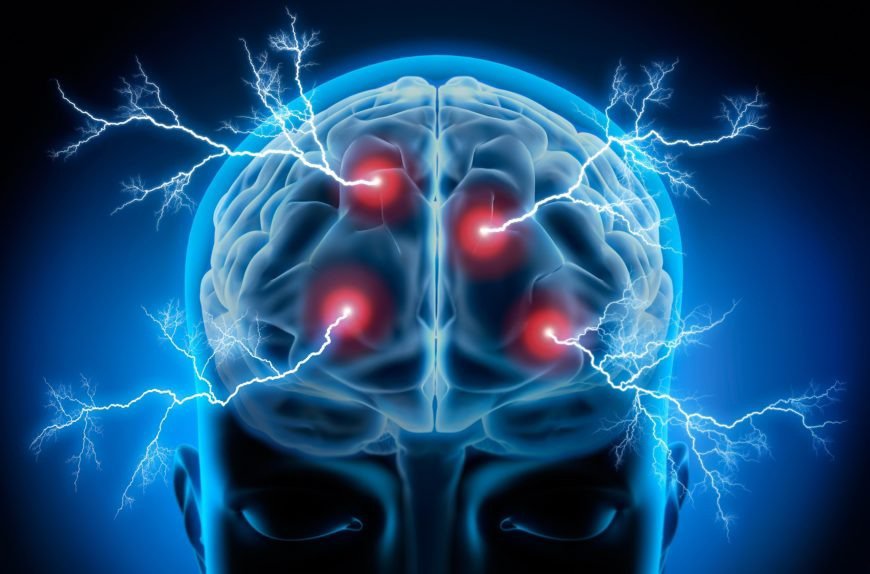
    Epilepsy is a chronic disorder that causes unprovoked, recurrent seizures. A seizure is a sudden rush of electrical activity in the brain.
    There are two main types of seizures. Generalized seizures affect the whole brain. Focal, or partial seizures, affect just one part of the brain.
    CAUSES
    Epilepsy and seizures result from abnormal circuit activity in the brain. Any event ranging from faulty wiring during brain development, brain inflammation, physical injury or infection can lead to seizure and epilepsy. However, according to recent estimates, in up to 50% of patients diagnosed with epilepsy, the cause is unknown (idiopathic).
    RISK FACTORS

  • Premature birth or low birth weight
  • Trauma during birth (such as lack of oxygen)
  • Seizures in the first month of life
  • Abnormal brain structures at birth
  • Bleeding into the brain
  • Abnormal blood vessels in the brain
  • Serious brain injury or lack of oxygen to the brain
  • Brain tumors
  • Infections of the brain such as meningitis or encephalitis
  • Stroke resulting from blockage of arteries
  • Cerebral palsy
  • Mental disabilities
  • Seizures occurring within days after head injury
  • Family history of epilepsy or fever-related seizures
  • Alzheimer’s disease (late in the illness)
  • Lengthy fever-related (febrile) seizures
  • Alcohol or drug abuse
  • SYMPTOMS


    Because epilepsy is caused by abnormal activity in the brain, seizures can affect any process the brain coordinates. Seizure signs and symptoms may include:

  • Temporary confusion
  • A staring spell
  • Uncontrollable jerking movements of the arms and legs
  • Loss of consciousness or awareness
  • Psychic symptoms such as fear, anxiety or deja vu
  • TREATMENT


  • Medication
  • Surgery
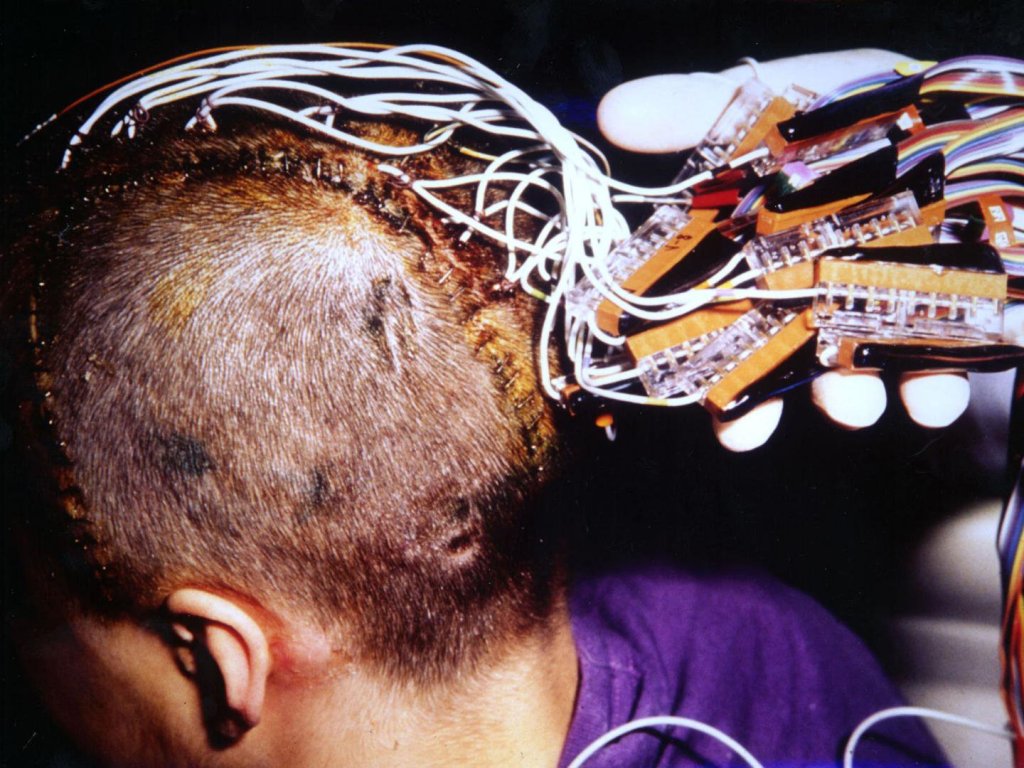
  • Neurostimulation
  • Dietary changes
  • COMPLICATIONS
    Complications may include:
  • Difficulty learning
  • Breathing in food or saliva into the lungs during a seizure, which can cause aspiration pneumonia
  • Injury from falls, bumps, self-inflicted bites, driving or operating machinery during a seizure
  • Permanent brain damage (stroke or other damage)
  • Side effects of medicines
  • PREVENTION
    There is no known way to prevent epilepsy. Proper diet and sleep, and staying away from alcohol and illegal drugs may decrease the likelihood of triggering seizures in people with epilepsy.
    Reduce the risk for head injury by wearing a helmet during risky activities. This can lessen the likelihood of a brain injury that leads to seizures and epilepsy.

    REFERENCES

  • Health line: https://www.healthline.com/health/epilepsy
  • Mayo clinic: https://www.mayoclinic.org/diseases-conditions/epilepsy/symptoms-causes/syc-20350093
  • Bergey GK (June 2013). “Neurostimulation in the treatment of epilepsy”. Experimental Neurology. 244: 8795.
  • Martin-McGill, Kirsty J.; Jackson, Cerian F.; Bresnahan, Rebecca; Levy, Robert G.; Cooper, Paul N. (7 November 2018). “Ketogenic diets for drug-resistant epilepsy”. The Cochrane Database of Systematic Reviews. 11: CD001903.
  • https://www.cureepilepsy.org/what-is-and-what-causes-epilepsy/
  • https://medlineplus.gov/ency/article/000694.htm
  • Categories
    Uncategorized

    AMBLYOPIA (Lazy Eye)

    An adage in Yoruba says “Oju ni oba ara”. (The sight is the king of the body).
    If the sight of human fills you with joy, if a blade of grass springing up in the fields has power to move you,it is the simple things of nature have a message that you understand, rejoice, for your soul is alive.

    SIGHT IS LIFE#👁️

    That leads us to the discussion for today.
    AMBLYOPIA .
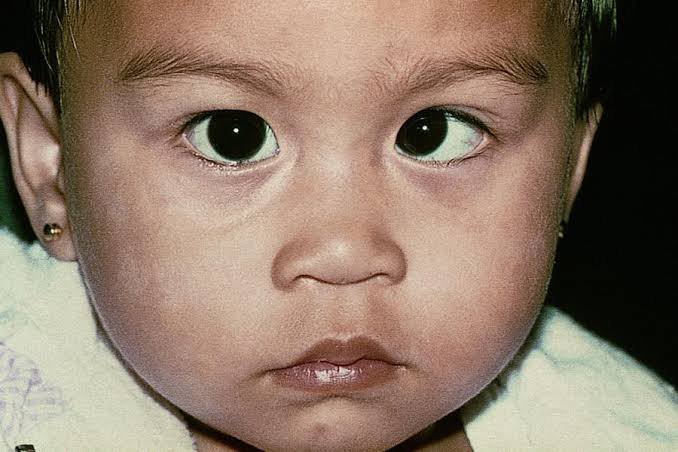
    Amblyopia is also known as Lazy Eye,The Yoruba people call it Oju ọlẹ
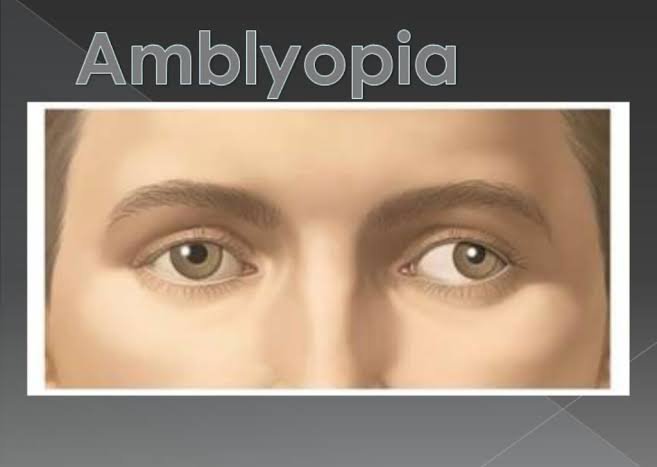
    It is a disorder of sight in which the brain fails to process inputs from one eye and over time favors the other eye.
    Moreso, It results in decreased vision in an eye that otherwise typically appears normal.
    Amblyopia is the most common cause of decreased vision in a single eye among people!
    CAUSES OF AMBLYOPIA
    muscle imbalance
    Deprivation
    Difference in sharpness of the eye
    MUSCLE IMBALANCE: The most common cause of lazy eye is an imbalance in the muscles that position the eyes. This imbalance can cause the eyes to cross in or turn out, and prevents them from working together.A significant difference between the prescriptions in each eye often due to farsightedness but sometimes to nearsightedness or an uneven surface curve of the eye (astigmatism) can result in lazy eye.

    DEPRIVATION : A problem with one eye such as a cloudy area in the lens (cataract) can prohibit clear vision in that eye.
    DIFFERENCE IN SHARPNESS OF VISION BETWEEN THE EYES (REFRACTIVE AMBLYOPIA): A significant difference between the prescriptions in each eye often due to farsightedness but sometimes to nearsightedness or an uneven surface curve of the eye (astigmatism) can result in lazy eye.

    Let’s have the signs and symptoms associated with this* AMBLYOPIA?

    SIGNS AND SYMPTOMS


    👁️An eye that wanders inward or outward
    👁️Eyes that appear to not work together
    👁️Poor depth perception
    👁️Squinting or shutting an eye
    👁️Head tilting
    Note; We can’t talk about amblyopia without knowing the best way to detect or diagnose it.
    So we move to the diagnostic test👇
    DIAGNOSTIC TEST
    Tests of visual acuity directly test for the presence of amblyopia. Visual acuity testing has a subjective component and therefore responses to visual acuity testing should be interpreted in the context of the patient’s age, ability, and level of cooperation
    TREATMENT
    😎🕶️👓 CORRECTIVE EYEWEAR : Glasses or contact lenses can correct problems such as nearsightedness, farsightedness or astigmatism that result in lazy eye.
    👀👀 EYE PATCHES : To stimulate the weaker eye, wearing an eye patch over the eye with better vision for two to six or more hours a day.
    💡 BANGERTER FILTER : This special filter is placed on the eyeglass lens of the stronger eye. The filter blurs the stronger eye and, like an eye patch, works to stimulate the weaker eye.
    💦 EYEDROPS : An eyedrop as a medication can increase the vision in the weaker eye.
    Note: There are some underlying eye defects that could lead to Amblyopia which are cataract and strabismus.
    Lastly, Amblyopia is the number one cause of vision loss in children.

    “Of all senses, sight must be the most delightful.” ~ HELEN KELLER

    Thank you

    Categories
    Uncategorized

    HALITOSIS

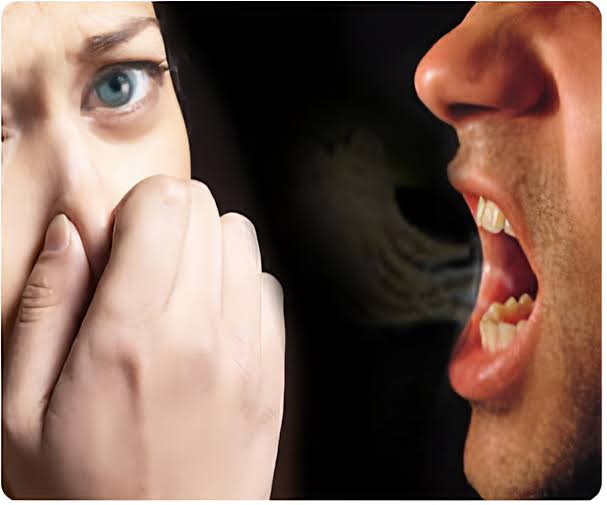
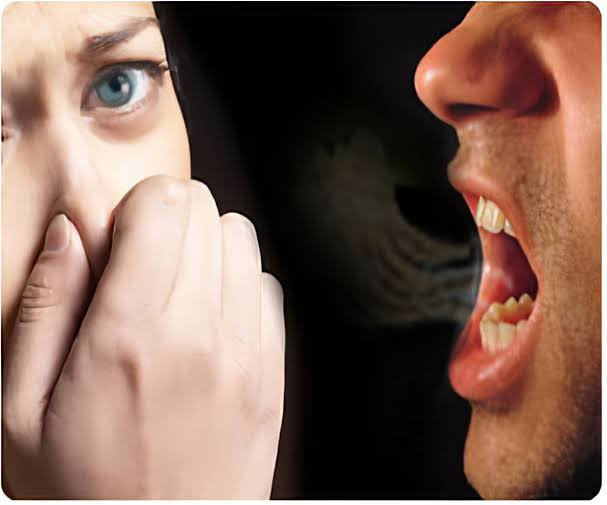
    Halitosis is also known as bad breath or mouth odour. It’s an unpleasant odour that comes out of the mouth as a result of buildup bacteria in the mouth because of the gum disease, accumulated food debris(food remnants stalk at d inter proximal surface of the teeth)or plaque.
    Bad breath or halitosis can be so embarrassing and in some cases may even cause anxiety. It’s no wonder that store shelves are overflowing with gum, mints, mouthwashes and other products designed to fight bad breath. But many of these products are only temporary measures because they don’t address the cause or origin of the problem.
    Causes of Halitosis (Bad breath)
    There are various causes of halitosis but I will just mention just four from them

    1-Poor oral hygiene

    2-Presence of bacteria in the mouth

    3-Systemic disorders

    4-Hereditary
    Poor oral hygiene -If you don’t brush and floss teeth daily, food particles can remain in the mouth, which promotes the growth of bacterial between teeth, around the gums, and on the tongue. what we eat and drink for example, taking of spicy foods late at night. Drinking of alcohols, smoking of cigarette, chewing of tobacco all these are also factors that contribute to the causes of bad breath.

    Bacteria- Persistent bad breath or a bad taste in the mouth may be a warning sign of gum (periodontal) disease. Gum disease is caused by the buildup of plaque on teeth. Bacteria cause the formation of toxins to form plaques or calculus, which irritate the gums. If gum disease continues untreated, it can damage the gums and jawbone.

    Other dental causes of bad breath include poorly fitting of dental appliances(denture)  yeast infections of the mouth, and dental caries (cavities).
    SYSTEMIC DISORDERS: GERD (Gastro Eosophagal Reflux Disease), any disease that affects a part of the GIT (Gastrointestinaltract), Respiratory infection: common with people that have running nose all the time and some asthmatic ppx Diabetic acidosis
    1.Basically….when there’s a sore/defect anywhere in the body that links to the mouth….it would smell

    1. Diabetic patients ,low insulin secretion affect saliva flow…leaving the mouth often dry….and when the mouth is dry,it smells cus no cleansing action of saliva.
    2. Cancers also cause bad breadth, irregular growth or sore!
    3. Digestion issues…constipation and all.
    4. Tonsils: tonsil stones too make the mouth smell
      Bad breath can also be caused by surgical wounds after oral surgery, such as tooth removal.
      Bad breath can occasionally stem from small stones that form in the tonsils and are covered with bacteria that produce offensive odor.
      Halitosis caused by Hereditary
      This is as a result of genetic factors
      A lot of people suffer from halitosis just because it was inherited from their parents or grandparent. Medically, there are many ways in which halitosis can be managed such as:
      Brush your teeth after you eat.

    Keep a toothbrush at work to use after eating and in case you’re in an environment where it is difficult to brush after eating take water to gauge the mouth thoroughly
    and Floss at least once a day
    Method used in brushing teeth is also another management of halitosis
    A lot of people believe that using hard bristled tooth brush and brushing roughly can make mouth clean but it’s just a total wrong idea and sentimentt
    Soft bristled tooth brush with gentle brushing is the best way and I will be glad of to enlighten us on how the process of brushing is being done
    Process of tooth brushing
    *Rinse your brush before adding toothpaste
    *Dispense a peanut size of fluoride toothpaste on the brush (do not deep into water after adding toothpaste)
    *Divide the teeth into Four parts i.e the upper right side, the upper left side
    The lower right side and the lower left side making it Four quadrants
    *Brush each quadrant at a time by having focus on each quadrant at a go (the inner part, the occlusal surface and the gum)
    Brush each quadrant gently
    I believe many of us have being brushing in the rubbish this while😞😞😞😞
    After that rinse the mouth thoroughly with clean water by gargling to Stop the foaming of paste in the mouth
    Note: if toothpaste didn’t from the mouth it causes halitosis as well
    Therefore it is very important not to manage water while brushing😁
    Invariably , fluoride that is meant to keep the mouth clean can cause halitosis?🤔🤔🤔
    Everything work effectively with moderates
    If excessive it also have it’s deficiencies
    Excessive fluoride in the mouth can lead to flourosis
    Its a discussion for another day My people🙏❤️
    If we remembered I mentioned earlier that what we eat is another cause of halitosis.

    When eating spicy foods it shouldn’t be done at night especially when it’s close to bed time because of it’s smell
    Eating of raw onions at night is not advisable.
    There’s no method of brushing that wash away the smell of onions
    According to observation, Onion’s smell can still last for more than eight hours in the mouth
    You can also observe it as well
    And while waking up in the morning the mouth brings out this awful smell
    The same thing applies to eating beans at night but it’s not as chronic as that of onions.
    Therefore it doesn’t matter the food taken at night rather it is important to brush after dinner as the last thing to do before bedtime
    I never said it’s not advisable Sir rather brush after eating it to wither away the odour
    🤔🤔

    Another cogent thing to hold

    BRUSH BEFORE BEDTIME(3B)
    + There are some mouth wash that are made to prevent halitosis made for both young and adults
    These mouth wash gives the mouth fresh breath and good flow of saliva in the mouth. Someone with halitosis is advisable to get one
    Clean dentures or dental appliances

    Avoid dry mouth(xerostomia)

    Adjust your diet

    Regularly get a new toothbrush( it should be changed at every three months)
    Schedule regular dental checkups.
    A lot of people have this habit of saying “I don’t have issues with My oral cavity so I don’t need to visit a dentist”
    Darling it’s a wrong idea.
    Everyman needs to visit the clinic at least at every 6months which is equals to twice in a year
    By doing this if there’s any deficiency in the it will be detected on time before getting worst.
    Make Dentists ur friends to visit they don’t harm,  they save🙏.

    Thank You….
    Design a site like this with WordPress.com
    Get started